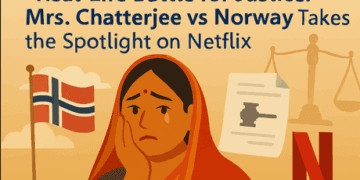











Netflix has once again brought a powerful real-life battle story to global audiences with the release of Mrs. Chatterjee vs Norway, a gripping legal drama based on the true events surrounding an Indian mother’s fight against a foreign government to reclaim custody of her children. The film, starring Rani Mukerji in a career-defining role, has sparked international conversations about cultural bias, child welfare policies, and the resilience of motherhood.
The True Story Behind the Film
Inspired by the real-life ordeal of Sagarika Chakraborty, the film recounts the events of 2011 when Norwegian child welfare services took custody of her two children, citing parenting practices that conflicted with local norms. The case drew widespread media attention and diplomatic intervention from the Indian government. Sagarika’s battle became a symbol of cross-cultural misunderstanding and the emotional toll of international custody disputes.
Key Facts
- Incident occurred in Stavanger, Norway in 2011
- Children were placed in foster care for nearly two years
- Indian government intervened through diplomatic channels
- Sagarika eventually won custody after a prolonged legal battle
Netflix Adaptation: A Cinematic Triumph
Directed by Ashima Chibber, the film adaptation brings emotional depth and legal complexity to the screen. Rani Mukerji’s portrayal of Debika Chatterjee (based on Sagarika) has been widely praised for its intensity and authenticity. The film also features Jim Sarbh, Anirban Bhattacharya, and Neena Gupta in pivotal roles.
Production Details
- Produced by Emmay Entertainment and Zee Studios
- Released theatrically on March 17, 2023
- Runtime: 144 minutes
- Language: Hindi (with subtitles in multiple languages)
- Streaming on Netflix globally
Critical Reception
The film has received a strong response from critics and audiences alike. With an IMDb rating of 7.3/10 and growing viewership on Netflix, it has become one of the most talked-about Indian dramas of the year. Critics have lauded its emotional storytelling, courtroom realism, and cultural sensitivity.
Highlights from Reviews
- “Rani Mukerji delivers one of her most powerful performances.” – Film Companion
- “A gut-wrenching tale of motherhood and justice.” – The Hindu
- “Raises important questions about cultural bias in child welfare.” – NDTV
Legal and Cultural Themes
The film delves into the clash between Indian parenting norms and Western child welfare standards. Practices such as co-sleeping, hand-feeding, and emotional expressiveness were misinterpreted by Norwegian authorities as neglect or abuse. The story highlights the need for cultural context in legal proceedings involving immigrant families.
Key Issues Explored
- Cross-cultural parenting misunderstandings
- Immigrant rights and legal representation
- Diplomatic intervention in family law
- Psychological impact on children and parents
Impact on Public Discourse
Since its release, Mrs. Chatterjee vs Norway has reignited debates about international child custody laws and the role of cultural sensitivity in legal systems. Social media platforms are flooded with discussions, and advocacy groups have called for reforms in how child welfare cases involving immigrants are handled.
Public Reactions
- #JusticeForDebika trending on Twitter
- Petitions for policy reform in Norway and India
- Panel discussions on news channels and podcasts
- Renewed interest in Sagarika Chakraborty’s memoir
Performance and Box Office
Despite its niche subject, the film performed well at the box office, grossing over ₹36 crore globally. Its success on Netflix has extended its reach to international audiences, especially in Europe and North America, where immigrant communities resonate deeply with the story.
| Metric | Value |
|---|---|
| Budget | ₹29 crore |
| Box Office Collection | ₹36.53 crore |
| Netflix Viewership (First Month) | 12 million+ streams |
| IMDb Rating | 7.3/10 |
Behind the Scenes
Director Ashima Chibber spent months researching the case, consulting legal experts, and interviewing Sagarika Chakraborty. The screenplay balances emotional drama with legal realism, ensuring that the story remains grounded in fact while delivering cinematic impact.
Creative Team
- Screenplay: Ashima Chibber, Sameer Satija, Rahul Handa
- Music: Amit Trivedi (songs), Hitesh Sonik (background score)
- Cinematography: Alvar Kõue
- Editing: Namrata Rao
Global Relevance
The film’s themes resonate globally, especially among immigrant families navigating foreign legal systems. It has sparked conversations in Norway, the UK, and the U.S. about the need for culturally informed child welfare policies and the importance of family reunification.
International Impact
- Norwegian media revisiting the 2011 case
- Legal scholars citing the film in custody law debates
- UNICEF statements on cultural sensitivity in child protection
- Indian diaspora organizing screenings and discussions
Conclusion
Mrs. Chatterjee vs Norway is more than a film—it’s a movement. It brings to light the emotional and legal complexities faced by immigrant families and challenges institutions to rethink their approach to child welfare. Through powerful storytelling and stellar performances, it honors the courage of a mother who refused to give up.
Postscript: What’s Next?
With growing interest in real-life legal dramas, Netflix is expected to explore similar stories from other regions. Meanwhile, Sagarika Chakraborty continues to advocate for policy reform and cultural sensitivity in international child welfare cases. Her story, now immortalized on screen, remains a beacon of hope for families worldwide.