







Washington, September 13 – The U.S. Treasury has called on its Group of Seven (G7) and European Union allies to impose significant tariffs on imports from China and India, aiming to curb their purchases of Russian oil. The move comes as part of a broader effort to pressure Moscow to end its war in Ukraine.
An emergency G7 finance meeting has been convened to discuss ways to intensify economic pressure on Russia. According to a U.S. Treasury spokesperson, purchases of Russian crude by China and India are directly funding President Vladimir Putin’s military operations in Ukraine.
“Chinese and Indian purchases of Russian oil are funding Putin’s war machine and prolonging the senseless killing of the Ukrainian people,” the spokesperson said in a statement.
The Treasury added that the proposed tariffs would be temporary, designed to be rescinded once the war ends, emphasizing a coordinated international approach to stop the conflict.
U.S.-India Trade Tensions Escalate
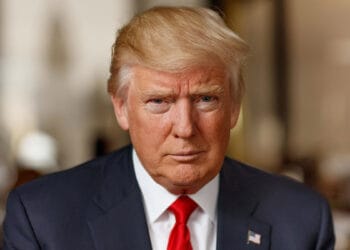
President Donald Trump has already escalated trade pressure on India by imposing an additional 25% tariff on imports from the country, bringing the total punitive duties on Indian goods to 50%. This step is intended to push New Delhi to halt its purchases of discounted Russian crude oil, but it has also strained trade negotiations between the two democratic nations.
The U.S. administration stresses that these measures are part of a broader strategy to discourage any nation from supporting Russia financially while reaffirming the commitment to coordinated international action through G7 and EU channels.
Global Implications
The U.S. move signals a tough stance on countries engaging in Russian oil trade, highlighting the economic tools being deployed in the geopolitical arena. While the tariffs may significantly impact trade flows, they are seen as a lever to influence countries’ foreign policy decisions and reduce funding for military operations in Ukraine.
As discussions continue among G7 members and EU officials, markets and international observers are closely watching how these measures could reshape global trade patterns and diplomatic relations.