











Countrys Oil Exports at Risk
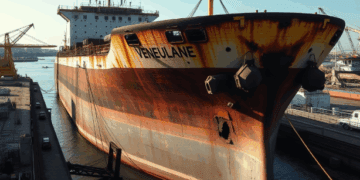
Venezuela’s oil export infrastructure is facing a major crisis as its aging tanker fleet deteriorates, threatening the country’s ability to maintain crude shipments and generate revenue. With over 90% of its export earnings tied to oil, the implications of a crippled fleet could be catastrophic for the nation’s economy and geopolitical standing.
Fleet Breakdown and Operational Challenges
According to recent shipping data and industry reports, Venezuela’s state-owned oil company PDVSA is struggling to maintain its fleet of tankers, many of which are decades old and in dire need of repairs. Several vessels have been grounded due to mechanical failures, while others face international sanctions that limit their access to ports and insurance.
Key Issues
- Mechanical breakdowns and lack of spare parts
- Sanctions blocking access to global maintenance hubs
- Reduced availability of insured vessels
- Chevron’s phased withdrawal from Venezuelan shipping operations
Impact on Oil Exports
Venezuela holds the world’s largest proven oil reserves, yet its export volumes remain far below potential due to logistical bottlenecks and geopolitical constraints. The deteriorating fleet has slowed loading operations at key terminals like Jose and Bajo Grande, causing delays and cancellations of shipments to Asia and Europe.
| Terminal | Operational Status | Export Volume (Oct 2025) |
|---|---|---|
| Jose Terminal | Partially operational | 320,000 bpd |
| Bajo Grande | Delayed loadings | 180,000 bpd |
| Cardón Refinery | Minimal exports | 60,000 bpd |
Geopolitical Tensions and Sanctions
The tanker crisis is unfolding amid rising tensions between Venezuela and the United States. Recent U.S. tariffs and enforcement actions have targeted shadow-fleet operations, further complicating PDVSA’s ability to move crude. The Maduro administration has responded with emergency decrees and threats of retaliation, escalating fears of broader conflict.
Recent Developments
- U.S. sanctions on third-party shipping firms
- Chevron scaling back Venezuelan operations
- Maduro’s emergency decree granting expanded powers
- Increased scrutiny of Chinese refiners importing Venezuelan crude
Economic Fallout
With oil accounting for nearly all of Venezuela’s export revenue, the tanker fleet’s collapse could trigger a new wave of economic instability. Foreign exchange reserves are already depleted, and inflation remains in triple digits. A prolonged disruption in exports could lead to fuel shortages, currency depreciation, and further erosion of public services.
Projected Impact
- Loss of $1.5–2 billion in oil revenue over next quarter
- Increased reliance on barter and crypto-based trade
- Reduced capacity to import food and medicine
- Potential rise in migration and humanitarian needs
Industry and Global Reactions
Energy analysts and shipping experts have flagged Venezuela’s tanker crisis as a critical vulnerability. While some allies like Iran and Russia may offer logistical support, global insurers and port authorities remain wary of sanction risks. The situation has also sparked concern among oil traders and refiners dependent on Venezuelan heavy crude.
Quotes from Analysts
- “Venezuela’s export model is collapsing from within.” – Energy Intelligence Group
- “Without a functioning fleet, PDVSA is flying blind.” – Latin America Shipping Forum
- “This could trigger a domino effect across regional energy markets.” – Global Oil Watch
Conclusion
Venezuela’s tanker fleet crisis is more than a logistical challenge — it’s a strategic emergency. With sanctions tightening, vessels aging, and geopolitical tensions rising, the country’s oil lifeline is fraying. Unless urgent repairs, diplomatic breakthroughs, or alternative shipping solutions emerge, Venezuela’s export future hangs in the balance.
Postscript: What to Watch Next
Key developments to monitor include PDVSA’s fleet repair plans, Chevron’s final exit timeline, U.S. enforcement actions, and China’s response to shipping disruptions. The next few weeks could determine whether Venezuela can stabilize its oil exports — or slip deeper into economic isolation.