










India–EU Free Trade Talks
On October 6, 2025, India and the European Union (EU) resumed negotiations for a Comprehensive Free Trade Agreement (FTA) in Brussels, marking the 14th round of discussions between the two economic giants. Led by Commerce Secretary Rajesh Agrawal and EU Trade Director General Sabine Weyand, the talks aim to finalize a balanced and equitable trade pact by the end of the year.
Background: A Decade-Long Pause Ends
India and the EU first initiated FTA negotiations in 2007, but talks stalled in 2013 due to disagreements over market access, intellectual property rights, and regulatory standards. In June 2022, both sides agreed to restart the process, recognizing the strategic importance of a trade partnership that could reshape global supply chains and investment flows.
Why This FTA Matters
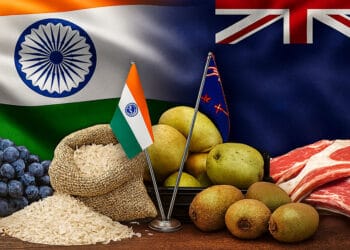
The EU is India’s largest trading partner for goods, with bilateral trade reaching $136.5 billion in FY 2024–25. The EU accounts for 17% of India’s exports and 9% of its imports. A successful FTA could unlock new opportunities in pharmaceuticals, textiles, electronics, automotive, and digital services.
Key Objectives of the 14th Round
- Duty reductions on automobiles, medical devices, wine, spirits, and poultry
- Investment protection and dispute resolution mechanisms
- Market access for Indian textiles, steel, and pharmaceuticals
- Digital trade, data privacy, and cross-border services
- Environmental standards and carbon tax exemptions
India’s Strategic Goals
India seeks zero-duty access for labor-intensive exports and emerging sectors like electronics and auto components. It also aims to protect domestic industries from sudden import surges and ensure flexibility in regulatory compliance. The government is particularly concerned about the EU’s Carbon Border Adjustment Mechanism (CBAM), which imposes carbon taxes on steel, aluminum, and cement imports.
EU’s Demands and Sensitivities
The EU is pushing for:
- Strong intellectual property regime
- Access to India’s public procurement market
- Commitments on sustainability and labor standards
- Regulatory alignment in food safety and technical barriers
EU negotiators have also emphasized the need for predictable rules in e-commerce, fintech, and data governance.
Statements from Key Leaders
Union Minister Piyush Goyal stated during his Doha visit:
“We are working together in a spirit of deep understanding of each other’s sensitivities so that we can conclude a fair and balanced free trade agreement. Our young, talented population and the EU’s innovation base complement each other.”
EU Trade Commissioner Maroš Šefčovič called the agreement “groundbreaking,” noting that European companies in India already support over 3 million jobs.
Timeline and Next Steps
The current round will continue until October 10, with Commerce Secretary Agrawal expected to meet DG Weyand again by October 12. Minister Goyal is scheduled to visit Brussels on October 27–28 to finalize key chapters. Both sides aim to conclude the agreement by December 2025.
Challenges Ahead
- Reconciling EU’s climate regulations with India’s development goals
- Aligning data privacy standards with EU’s GDPR
- Balancing tariff cuts with domestic industry protection
Think tanks like GTRI warn that compliance with EU’s deforestation laws and supply chain due diligence could increase costs for Indian exporters.
Strategic Implications
With rising protectionism from the US and global supply chain shifts, India sees the EU FTA as a way to diversify export markets and attract strategic investment. The deal could also enhance India’s role in global climate governance and digital trade frameworks.
Conclusion: A Defining Moment in India–EU Relations
The 14th round of FTA talks represents more than just trade negotiations—it’s a strategic pivot toward deeper economic integration, sustainable development, and geopolitical alignment. If successful, the India–EU FTA could become a model for future trade agreements, balancing growth with responsibility.

Comments 2