







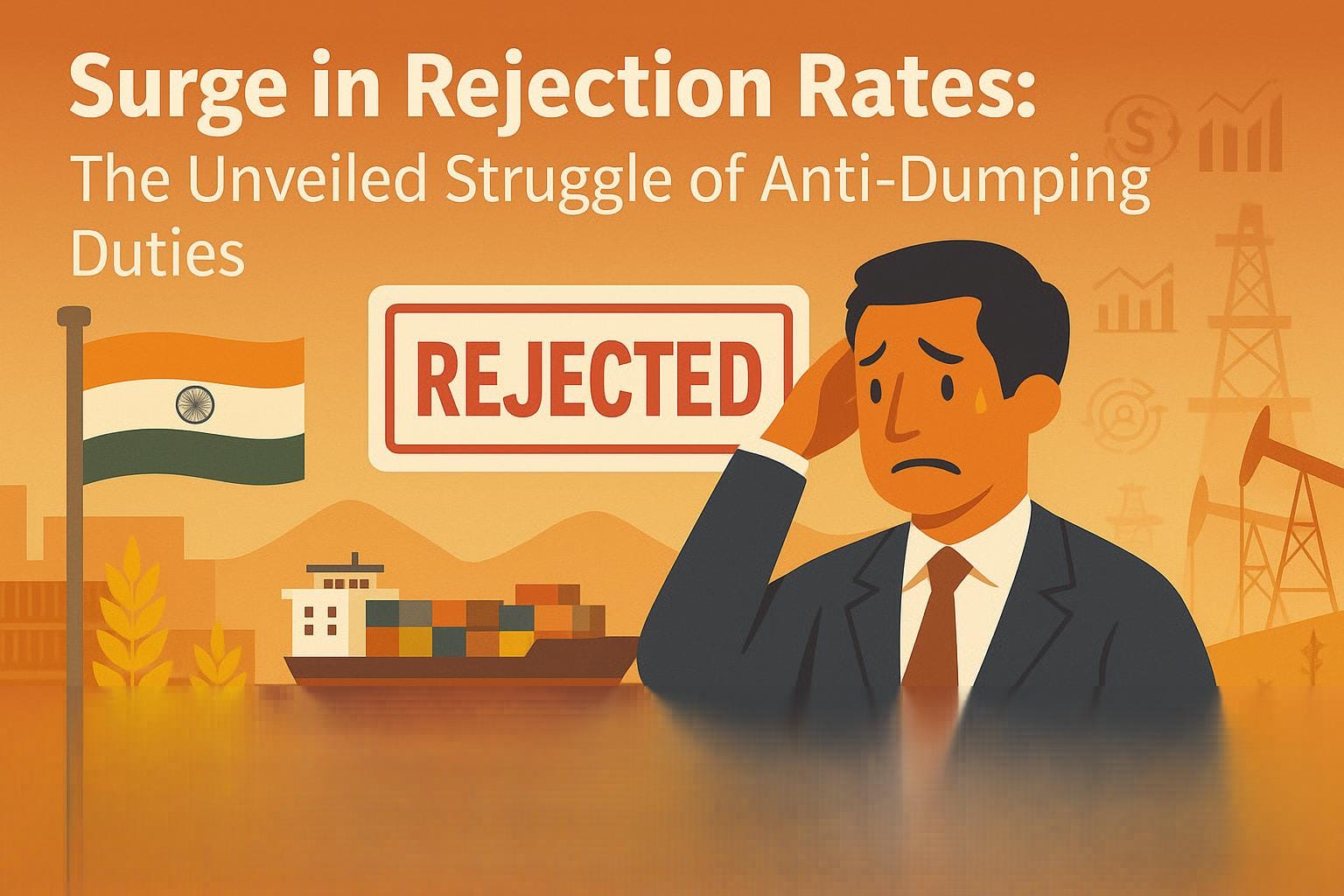
In recent years, anti-dumping duties have emerged as a double-edged sword in global trade. While they aim to protect domestic industries from unfair competition, they have also triggered a surge in rejection rates for exporters, particularly in developing economies like India. This article explores the complex dynamics of anti-dumping regulations, their impact on trade flows, and the challenges faced by exporters navigating this regulatory minefield.
Understanding Anti-Dumping Duties
Anti-dumping duties are tariffs imposed by a country on foreign imports that are priced below fair market value. These duties are designed to prevent market distortion and protect domestic producers from predatory pricing. However, the criteria for determining dumping are often opaque, and enforcement varies widely across jurisdictions.
Key Features of Anti-Dumping Measures
- Initiated through investigations by trade authorities
- Based on price comparisons and injury to domestic industry
- Can last for five years or more, subject to review
- Often influenced by political and economic considerations
India’s Export Landscape Under Pressure
India, a major exporter of steel, chemicals, textiles, and pharmaceuticals, has faced increasing scrutiny in global markets. Countries like the United States, European Union, and China have imposed anti-dumping duties on various Indian products, citing unfair pricing and market disruption.
Recent Cases and Rejection Trends
- EU imposed duties on Indian stainless steel and polyester yarn
- U.S. investigations into Indian generic drugs and aluminum sheets
- China’s retaliatory tariffs on Indian petrochemicals
These actions have led to a noticeable rise in rejection rates at ports, delayed shipments, and increased compliance costs for Indian exporters.
Economic Impact of Rejections
The surge in rejection rates has far-reaching consequences. Exporters face financial losses due to returned consignments, warehousing costs, and legal battles. Small and medium enterprises (SMEs) are particularly vulnerable, lacking the resources to contest anti-dumping claims or re-route shipments.
Quantifying the Damage
| Sector | Estimated Loss (2024) | Rejection Rate Increase |
|---|---|---|
| Steel & Alloys | $1.5 Billion | +28% |
| Pharmaceuticals | $900 Million | +17% |
| Textiles | $650 Million | +22% |
Legal and Procedural Challenges
Exporters often struggle with the legal complexity of anti-dumping investigations. The burden of proof lies with the accused, requiring detailed cost breakdowns, market data, and legal representation. Many exporters are unaware of their rights or lack access to trade lawyers and consultants.
Common Barriers
- Short response windows for investigations
- Language and documentation hurdles
- Limited transparency in foreign trade tribunals
- High cost of legal defense and appeals
Policy Response and Trade Diplomacy
The Indian government has taken steps to counter unfair anti-dumping actions. Through bilateral negotiations, WTO appeals, and domestic support schemes, efforts are underway to protect exporters and ensure fair treatment in global markets.
Key Initiatives
- Trade Remedy Wing under DGTR to assist exporters
- WTO dispute resolution cases against EU and U.S. tariffs
- Export Credit Guarantee schemes for high-risk sectors
- Diplomatic outreach to resolve trade tensions
Strategic Recommendations for Exporters
To navigate the challenges of anti-dumping duties, exporters must adopt proactive strategies. These include pricing transparency, legal preparedness, and diversification of markets.
Actionable Steps
- Maintain detailed cost and pricing documentation
- Engage trade consultants for compliance audits
- Monitor trade regulations in target markets
- Diversify export destinations to reduce dependency
- Participate in trade forums and industry associations
Global Perspective on Anti-Dumping
Anti-dumping duties are not unique to India. Countries like Brazil, South Korea, and Turkey have also faced similar challenges. The global trade environment is increasingly protectionist, with nations using tariffs as tools of economic diplomacy.
Comparative Insights
- Brazil’s steel exports hit by U.S. duties
- South Korea’s electronics targeted by EU investigations
- Turkey’s textiles facing scrutiny in North Africa
These cases highlight the need for a coordinated global response and reform of trade remedy mechanisms.
Conclusion
The surge in rejection rates due to anti-dumping duties reflects a deeper struggle in global trade. While protecting domestic industries is essential, the lack of transparency and fairness in enforcement creates barriers for legitimate exporters. India must continue to strengthen its trade defense capabilities, support its exporters, and advocate for balanced trade policies at international forums. For businesses, resilience lies in preparation, diversification, and strategic engagement with the evolving trade landscape.
Postscript: Looking Ahead
As geopolitical tensions and economic nationalism rise, anti-dumping actions are likely to intensify. Exporters must stay informed, agile, and collaborative. With the right mix of policy support and industry initiative, India can turn this challenge into an opportunity for smarter, more sustainable global trade engagement.